
The first question is not “Why the addiction?” but “Why the pain?”
The first question is not “Why the addiction?” but “Why the pain?” - Gabor Mate

Inferiority and the Pursuit of Superiority: An Adlerian Perspective on Self-Worth and Connection
From an Adlerian perspective, true confidence is not the absence of vulnerability. It is the willingness to remain connected to others without needing to stand above them.

Using Transactional Analysis to Improve the Communication in Your Relationship
Most couples don’t struggle because they lack love or intention. They struggle because they are unknowingly communicating from outdated internal roles replaying dynamics learned in childhood, long before the relationship began.
Transactional analysis offers a simple solution: Speak as the adult you are, not the child you once were, or the parent you internalised.
In doing so, communication becomes less about winning or defending, and more about understanding, repairing, and growing together.

Closeness or Co-Dependence? Unblurring the Lines of Family Enmeshment
You can be deeply connected to your family without losing yourself in the process.

Character Armour: How the Defences That Once Protected Us Can Shape Our Lives
In psychotherapy, we often meet parts of ourselves that were never consciously chosen. They developed gradually, quietly, and often very intelligently in response to the environments we grew up in. One concept that captures this idea particularly well is “character armour.”

Loving from Above or Below: How Equality Strengthens Your Marriage
In couples therapy, one theme we often explore is how power dynamics can shape a relationship. Inspired by Terrence Real’s work, many couples struggle when love is expressed from a position of “above” or “below.” Understanding this, alongside Adlerian concepts of vertical and horizontal relationships, can help couples create more balanced, fulfilling partnerships.

Possessions
"Many wealthy people are little more than janitors of their possessions" - Frank Lloyd Wright
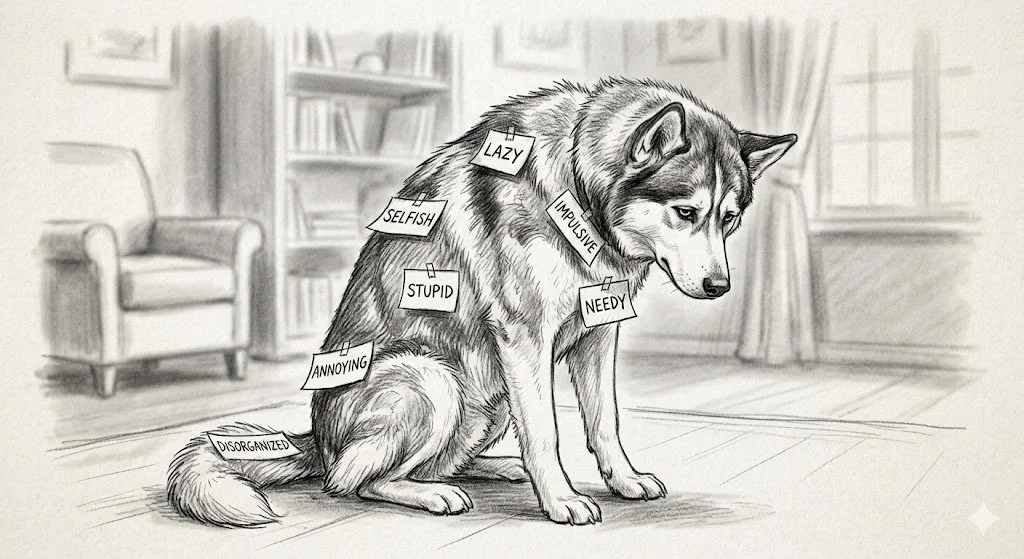
How Labelling Your Partner Can Limit Connection
Labelling your partner can unintentionally limit connection and intimacy. As a couples therapist, I often see how assigning fixed traits like “lazy” or “selfish” narrows perception, overlooks complexity, and reinforces negative patterns. By noticing behaviours without labels, staying curious, and naming actions instead of identities, couples can deepen understanding, foster empathy, and engage with each other as whole, evolving individuals.
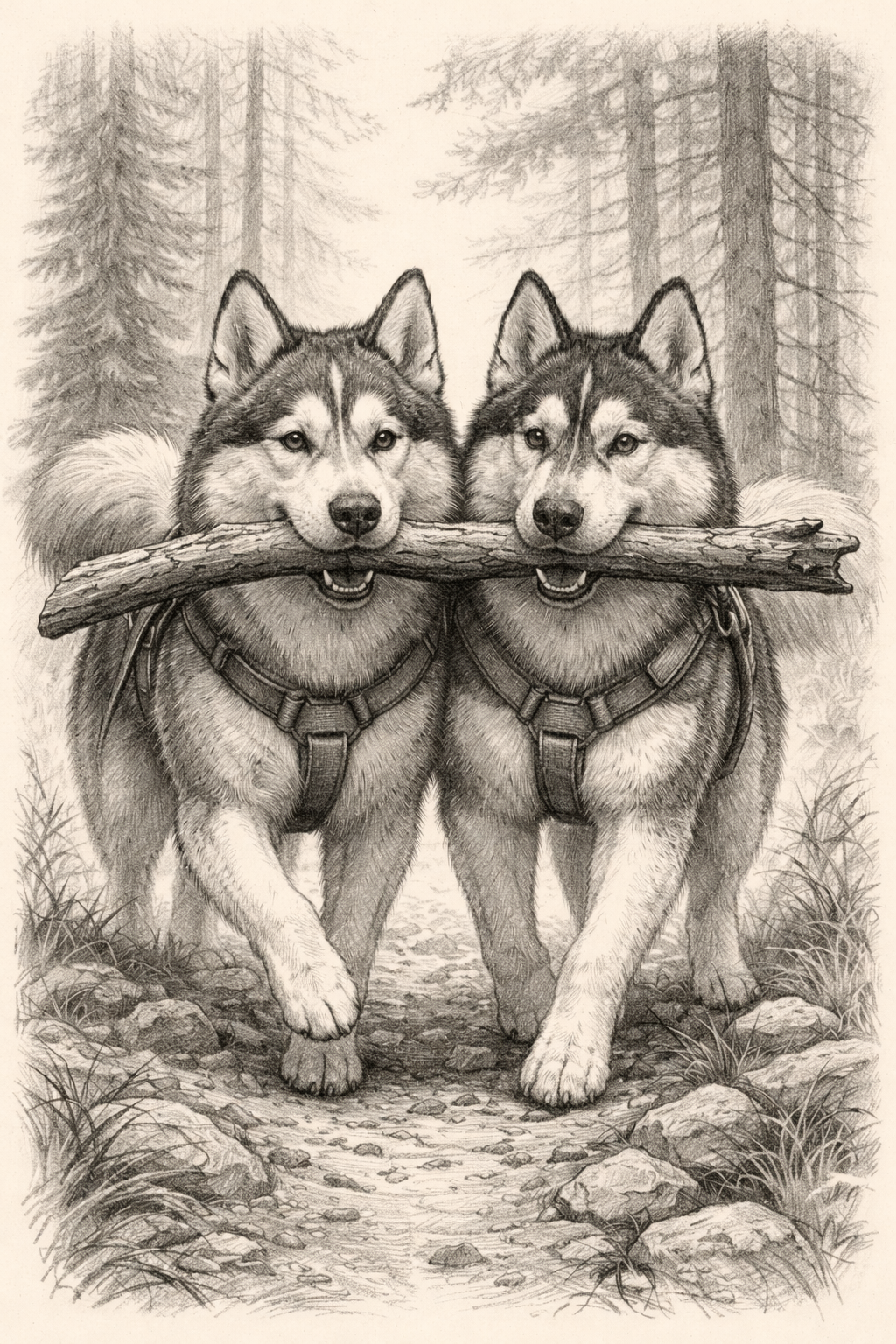
Shared Goals and Authenticity in Relationships
Shared goals can bring couples closer, but only when both partners genuinely want the same things. When one person feels pressured to align with the other’s dreams, connection can turn into quiet resentment. Therapy can help couples navigate this challenge, through exploring the deeper motives behind their goals, encouraging honest emotional communication, and restoring balance and clear boundaries to the relationship.
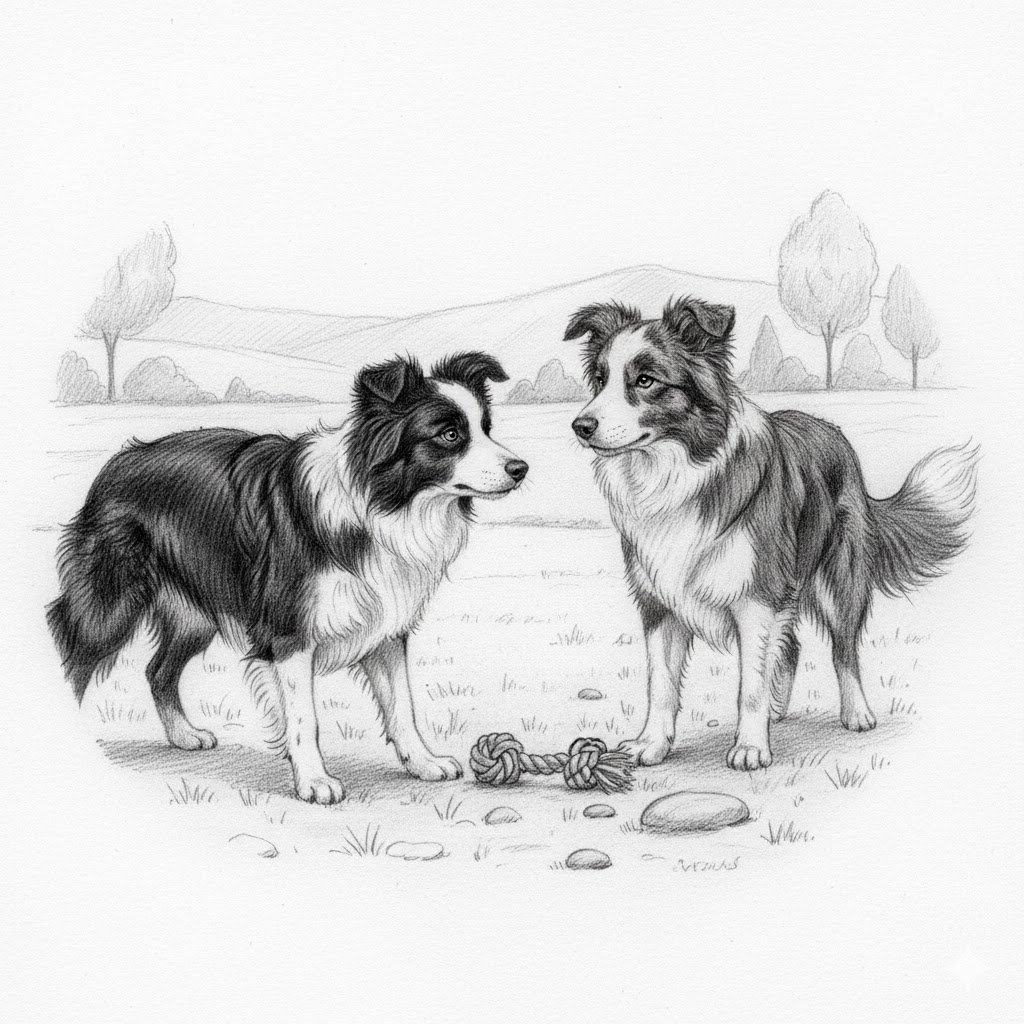
From Conflict to Connection: The Adlerian Path to Healthy Communication in Marriage
As a couples therapist, I fundamentally believe that the health of any relationship—especially a marriage, hinges on effective communication.

Four Ways We Respond to a Negative Message
When a partner’s words land painfully, couples tend to respond in predictable internal ways. Drawing on Marshall Rosenberg’s Nonviolent Communication, it is helpful to explore these four responses: self-blame, blaming the other, sensing our own feelings and needs, and sensing our partner’s inner world.

Rebuilding After the Storm: Navigating Infidelity in Marriage
Navigating infidelity shatters trust in any marriage, creating profound pain and betrayal. As a couples therapist, I see this rupture as a catalyst for potential growth, not necessarily an ending.


Observing Without Evaluating: A Quiet Skill That Transforms Relationships
In close relationships, conflict often escalates not because of what happened, but because of the meaning we attach to it. Observing without evaluating is a practice taught by Marshall Rosenberg, who helps couples describe concrete behaviours without criticism or blame.

The Mutual Path of Marriage
"In a successful marriage, there is no such thing as one's way. There is only the way of both, only the bumpy, dusty, difficult, but always mutual path"
Phyllis McGinley

How Couples Co-Create Conflict in Their Relationship
At Koira Psychology on the Gold Coast, we help couples understand how conflict is often co-created. Arguments rarely stem from one partner alone; instead, predictable patterns emerge when both partners respond to emotional pain with anger, withdrawal, or control. By recognising these cycles and taking responsibility without blame, couples can reshape interactions, improve communication, and build a relationship that is safe, connected, and emotionally balanced.


When a Partner’s Past Becomes a Barrier to Connection
As a couple’s therapist at Koira Psychology, I often work with couples struggling to accept a partner’s past. The pain is rarely about history alone, but about the loss of an idealised version of love. Couples therapy helps partners move beyond fantasy toward understanding, emotional safety, and a deeper, more resilient connection grounded in acceptance and shared truth.

Why We Make Excuses, Doubt Ourselves, and Get Jealous in Marriage
From a couple’s therapy perspective, drawing on the work of Adlerian therapist Rudolf Dreikurs, excuses, self-doubt, and jealousy in marriage are not flaws but responses to discouragement. These patterns emerge when partners fear not being enough or losing their sense of importance. When couples learn to recognise the insecurity beneath these behaviours, they can move toward encouragement, emotional equality, and deeper, more secure connection.
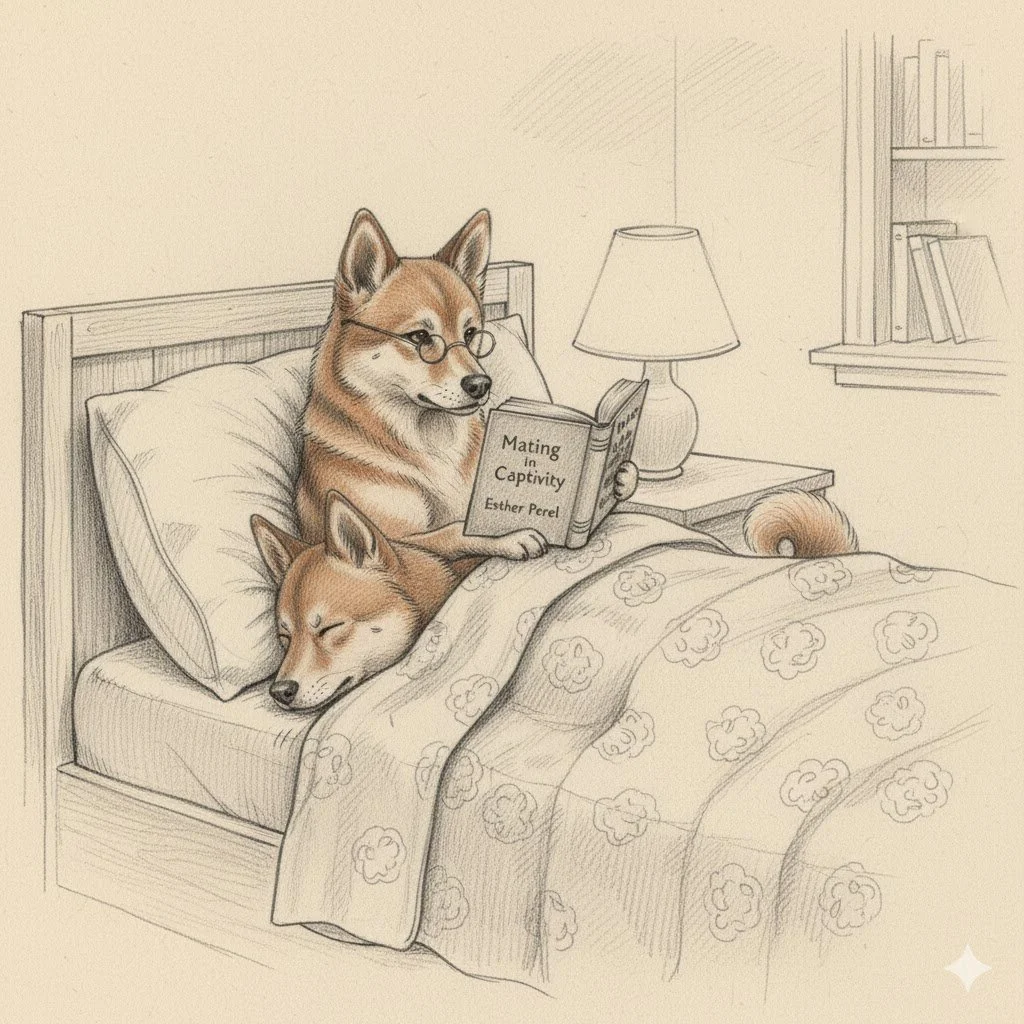
Maintaining Intimacy and Attraction in Marriage: The Paradox of Desire
In long-term relationships, especially when raising children, partners can become defined by caregiving, routine, and predictability. This maternal or paternal closeness, though nurturing, can slowly dull erotic energy. To rekindle attraction, couples must rediscover individuality and curiosity. Desire flourishes when we see our partner as separate and alive. Intimacy connects us, but imagination and space keep the fire burning.