Re-Connecting
Learn how to improve connection and co-operation in your relationships through insights from couples therapy
-
Increasing Co-operation & Harmony
-
Loving from Above or Below: How Equality Strengthens Your Marriage
In Couples Therapy, one theme we often explore is how power dynamics can shape a relationship. Inspired by Terrence Real’s work, many couples struggle when love is expressed from a position of “above” or “below.” Understanding this, alongside Adlerian concepts of vertical and horizontal relationships, can help couples create more balanced, fulfilling partnerships.
-
How Labelling Your Partner Can Limit Connection: A Couples Therapist’s Perspective
In relationships, it’s common to mentally label our partners: “He’s stubborn,” “She’s sensitive,” “He’s careless,” “She’s controlling.” As a couple’s therapist, I often see how these labels, even when meant to explain behaviour, can subtly shape the way we see our partner and the way we relate to them.
-
Shared Goals in Relationships: The Balance Between Alignment and Authenticity
Shared goals can bring couples closer, but only when both partners genuinely want the same things. When one person feels pressured to align with the other’s dreams, connection can turn into quiet resentment. Therapy can help couples navigate this challenge, through exploring the deeper motives behind their goals, encouraging honest emotional communication, and restoring balance and clear boundaries to the relationship.
-
Observing Without Evaluating: A Quiet Skill That Transforms Relationships
In close relationships, conflict often escalates not because of what happened, but because of the meaning we attach to it. Observing without evaluating is a practice taught by Marshall Rosenberg, who helps couples describe concrete behaviours without criticism or blame. In couples therapy, this skill reduces defensiveness, increases emotional safety, and opens space for curiosity and connection.
-
How Couples Co-Create Conflict in Their Relationship
A couples therapist can help couples understand how conflict is often co-created. Arguments rarely stem from one partner alone; instead, predictable patterns emerge when both partners respond to emotional pain with anger, withdrawal, or control. By recognising these cycles and taking responsibility without blame, couples can reshape interactions, improve communication, and build a relationship that is safe, connected, and emotionally balanced.
-
Maintaining Intimacy and Attraction in Marriage: The Paradox of Desire
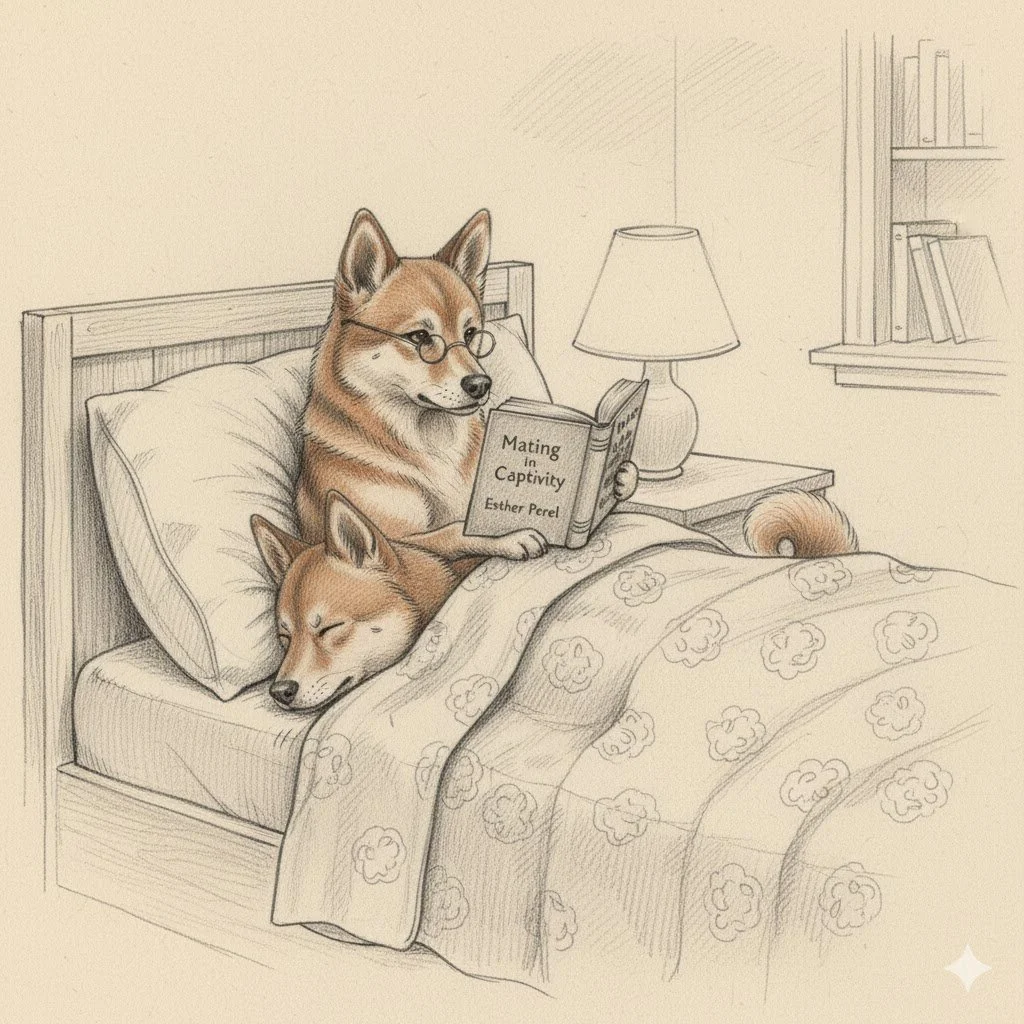
As Esther Perel describes in her book Mating in Captivity, love and desire often pull in opposite directions. Love seeks closeness, while desire needs distance and mystery. In long-term relationships, especially when raising children, partners can become defined by caregiving, routine, and predictability. This maternal or paternal closeness, though nurturing, can slowly dull erotic energy. To rekindle attraction, couples must rediscover individuality and curiosity.
-
Democracy, Encouragement, and the Shared Tasks of Marriage
Adlerian therapist Rudolf Dreikurs taught that marriage isn't a battle for control, but a cooperative effort between equals. Every issue, from chores to finances, is a common task to achieve, and when problems arise, it is not a personal failing. Shifting from blame to asking, "How can we solve this together?" replaces willpower struggles with mutual respect and encouragement. This Adlerian insight transforms conflict into a shared mission for mutual happiness.
-
-
Repairing After Conflict &Hurt
-
Rebuilding After the Storm: Navigating Infidelity in Marriage
Navigating infidelity shatters trust in any marriage, creating profound pain and betrayal. As a couples therapist, I see this rupture as a catalyst for potential growth, not necessarily an ending. Healing requires confronting the breakdown in communication and addressing unmet needs that underpinned the affair. Couples therapy offers a safe space to process emotions, understand the "why," and painstakingly rebuild the relationship through honesty and commitment.
-
Mending Your Relationship Ruptures with the Feedback Wheel
Conflict happens, but repair is the key to lasting love. As a relationship psychologist, I recommend Jane Hurley's Feedback Wheel to heal disconnection.
The Relationship Wheel guides you through four steps: Observation (the facts), Feelings (your emotion), Needs (what was missed), and a Future request for change.
This structured approach replaces blame with empathy, helping both partners listen and reconnect securely.
-
When You Feel Like Roommates, Not Partners: Reconnecting as a Couple
Many couples come to therapy saying some version of the same thing:
“We’re not fighting all the time… but we don’t really feel close anymore.”
They care deeply about each other, they may share children, a home, and a long history — yet something essential feels missing. The warmth, safety, playfulness, or emotional connection that once came naturally now feels distant or hard to reach.
If this resonates with you, you’re not alone, and it doesn’t mean your relationship is broken.
-
Four Ways We Respond to a Negative Message
When a partner’s words land painfully, couples tend to respond in predictable internal ways. Drawing on Marshall Rosenberg’s Nonviolent Communication, it is helpful to explore these four responses: self-blame, blaming the other, sensing our own feelings and needs, and sensing our partner’s inner world. In couples therapy at Koira Psychology on the Gold Coast, recognising these patterns helps reduce reactivity, soften conflict, and support deeper emotional connection.
-
When a Partner’s Past Becomes a Barrier to Connection
As a couple’s therapist I often work with couples struggling to accept a partner’s past. The pain is rarely about history alone, but about the loss of an idealised version of love. Couples therapy helps partners move beyond fantasy toward understanding, emotional safety, and a deeper, more resilient connection grounded in acceptance and shared truth.
-
Why We Make Excuses, Doubt Ourselves, and Get Jealous in Marriage
From a couple’s therapy perspective, drawing on the work of Rudolf Dreikurs, excuses, self-doubt, and jealousy in marriage are not flaws but responses to discouragement. These patterns emerge when partners fear not being enough or losing their sense of importance. When couples learn to recognise the insecurity beneath these behaviours, they can move toward encouragement, emotional equality, and deeper, more secure connection.
-
-
Improving Communication
-
From Conflict to Connection: The Adlerian Path to Healthy Communication in Marriage
As a couples therapist, I fundamentally believe that the health of any relationship, especially a marriage, hinges on effective communication. Yet, what often brings couples into my office is not a lack of love, but a breakdown in the way they express that love and, more importantly, their frustrations.
-
Using Transactional Analysis to Improve the Communication in Your Relationship
In many relationships, communication problems are less about what is being said and more about the psychological position from which it is said. From a transactional analysis perspective, this becomes a powerful lens for understanding and improving marital communication.
-
-
Understanding How Relationships Work
-
Love as a Practice: A Couples Therapist’s take on Erich Fromm’s The Art of Loving
In Couples Therapy, we often see couples struggling with the idea that love should be effortless. But Erich Fromm’s book The Art of Loving teaches us that love is not just a feeling, it’s a skill we must learn and practice. By embracing care, respect, and intentionality, partners can build deeper intimacy and connection.
-
Adler and the Principle of Task Responsibility in Relationships
In the context of couples counselling, a recurring dynamic is the confusion of love with responsibility. When partners merge their emotional and practical obligations, the relationship often suffers from enmeshment, replacing authentic connection with a structure driven by anxiety and control.
-
The Drama Triangle in Relationships
Many couples unknowingly become trapped in the ‘drama triangle’, shifting between the roles of rescuer, perpetrator, and victim. Each role reinforces the other, creating cycles of blame, defensiveness, and disconnection. In couples therapy, this dynamic blocks progress in therapy because partners focus on who’s right rather than how they relate.
-
Unblurring the Lines: From Enmeshment to Healthy Family Closeness
As a couples therapist, one of the most common and subtle forms of relationship dysfunction I encounter is enmeshment. It is often mistaken for closeness or deep family loyalty, but Dr. Patricia Love, through her work on families and relationships has clearly illuminated the difference between enmeshment and healthy family belonging.
The core of the work in therapy when working with enmeshment is helping individuals differentiate themselves and move toward a truly healthy family system.
-
A Brief Guide to Understanding Attachment in Relationships
Understanding attachment theory is pivotal in my work as a couples therapist, as it provides a framework for comprehending the dynamics between partners.
-
Jerodine Newman
✳
Psychologist
Jerodine Newman ✳ Psychologist


Jerodine Newman
Bs(Psych) PGDIP(Psych) MEd, Grad DIP(Ed)
As a relationship therapist, I want to help you navigate the most challenging aspects of your relationship. I am most interested in helping couples re-connect, rebuild the foundation for mutual trust and intimacy, and heal from the hurt of past conflicts.
What you’ll learn



Couples Therapy FAQ
-
Couples Therapy works most effectively when the therapist and both partners can develop a therapeutic connection to communicate openly and honestly.
It is my responsibility as your relationship psychologist to encourage you and your partner to share your opinions about any concerns you may have with your relationship, especially with issues both of you may find difficult and sensitive to bring up without support. I will seek permission to talk with each partner about their concerns in relation to their own internal problems. It is through the process of developing a deeper understanding of youself and of your partner that new ways of connecting to self, others, the past and the present are created together.
-
One of the main goals of Couples Therapy is to increase self-awareness and understanding of each partner. Depending on the issues with a couples' relationship and the self and joint discovery process, it is possible for partners to move forward together as a couple with renewed commitment to ecah other; while it is also equally possible for partners to move forward as friends with renewed respect and acceptance. Couples who are parents to dependent children who wish to renew their relationship as friends will be encouraged to attend Family Therapy sessions to build a stronger family system going forward
-
This is a common question that is difficult to provide a simple answer for. Many factors can affect the couple’s ability to commit to therapy. After an initial session, I may suggest for one or both partners to engage first with individual therapy before coming together for couples work. Depending on the needs and contexts specific to the relationship, I co-construct therapy goas with each couple. As the therapy process progresses, couples can usually ‘see’ their current position to the goal they wish to achieve.